 Skip to content
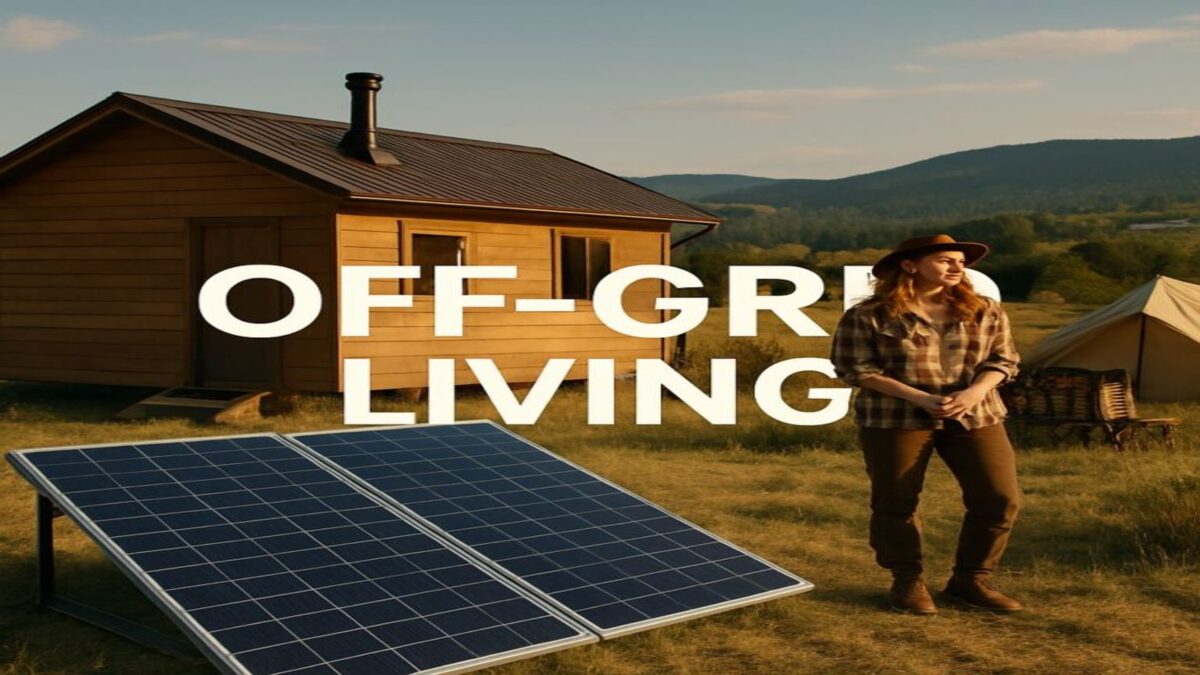
The best TV service for an off-grid property depends on your location, available electricity, satellite visibility, and whether you want live television or internet streaming. DISH TV and DIRECTV can provide traditional satellite television without home internet, while Starlink and other eligible broadband services can support streaming. An over-the-air antenna may provide free local channels where broadcast signals are available.
For many remote cabins and off-grid homes, the most practical solution is either satellite television, streaming through a reliable internet connection, or a combination of free antenna television and another service.
Before choosing, consider your property’s terrain, power system, equipment requirements, and total monthly costs.
What Are the Best TV Options for an Off-Grid Property?
Most off-grid properties have three main television options:
- Satellite television: DISH TV or DIRECTV delivers subscribed television channels through compatible satellite equipment without requiring home broadband.
- Internet streaming: Services such as Netflix, Hulu, YouTube TV, and other streaming platforms work through a suitable broadband connection.
- Over-the-air antenna television: A compatible antenna can receive available local broadcast stations without a monthly television subscription.
Internet streaming may use Starlink, fixed wireless, cellular broadband, or another service available at the property.
However, no option works everywhere. Each has its own coverage, equipment, and power requirements.
Which TV Service Is Best for Different Off-Grid Situations?
The following recommendations provide a practical starting point.
- Remote cabin without internet: Consider DISH or DIRECTV if the property qualifies for satellite television and has suitable sky visibility.
- Off-grid home with reliable Starlink: Streaming may be the most convenient choice if your preferred programming is available online.
- Property near broadcast towers: An over-the-air antenna may provide local television without monthly programming charges.
- Seasonal hunting or fishing camp: Compare portable satellite television, available antenna channels, and eligible seasonal service arrangements.
- Off-grid household with limited solar power: Compare the complete electrical demand of the television, receiver, router, and other necessary equipment.
- Property with unreliable internet: Traditional satellite television may provide an alternative way to receive live channels.
The best choice depends on the actual conditions at the service location.
Is DISH TV a Good Choice for Off-Grid Properties?
DISH satellite television can be a practical option for remote homes and cabins where cable television and broadband internet are unavailable.
Traditional DISH programming does not require cellular service or a home internet connection.
Instead, a compatible satellite antenna receives subscribed television channels and sends them to a DISH receiver connected to the television.
However, the property must qualify for service and have an appropriate view of the required satellites.
Advantages of DISH for Off-Grid Properties
- Traditional television service without home broadband.
- Access to eligible live sports, news, and entertainment channels.
- Compatible DVR recording options.
- Potential suitability for rural and remote locations.
- Separate television delivery from the property’s internet connection.
Limitations of DISH
- Requires compatible satellite equipment.
- Needs an unobstructed satellite signal path.
- Requires electrical power for the receiver and television.
- Can experience temporary weather-related signal loss.
- Requires an eligible programming subscription.
- Some internet-connected features need broadband access.
For more information, read Can I Get DISH TV Where There Is No Cell Service?
Is DIRECTV a Good Option for Remote Cabins?
DIRECTV satellite television may also be an option for qualifying remote properties.
Like DISH, traditional DIRECTV satellite programming does not depend on home broadband internet for basic channel reception.
However, the property needs compatible equipment, electrical power, and adequate satellite visibility.
Before selecting DIRECTV, confirm the current service type, channel lineup, receiver requirements, installation availability, and applicable contract terms.
Do not assume that all DIRECTV offerings use satellite delivery, because DIRECTV also markets internet-delivered television services.
DISH vs DIRECTV for Off-Grid Television
Both providers offer traditional satellite television options, but the better choice depends on the channels and service terms available at your property.
Compare:
- Local channel availability.
- Sports and entertainment programming.
- Receiver and DVR capabilities.
- Monthly programming costs.
- Equipment and installation charges.
- Contract and cancellation terms.
- Seasonal service options.
Neither provider should be assumed to work at every remote location without checking satellite visibility and service eligibility.
Can You Stream TV with Starlink at an Off-Grid Property?
Yes. Starlink can provide broadband internet for compatible television streaming services at eligible locations.
With sufficient bandwidth and a stable connection, customers may be able to watch HD or 4K programming through supported applications.
However, actual performance depends on the Starlink plan, network conditions, obstructions, equipment, and the streaming service.
Starlink internet does not automatically include paid television streaming subscriptions.
Customers must obtain the appropriate entertainment subscriptions separately.
Advantages of Streaming Over Starlink
- Access to supported on-demand entertainment.
- Live television streaming options.
- Internet access for other household activities.
- Compatible viewing across televisions and mobile devices.
- No separate traditional television satellite antenna required.
Limitations of Streaming Over Starlink
- Requires eligible Starlink service and equipment.
- Needs electrical power for the internet system and television.
- Requires suitable satellite visibility.
- Performance may vary with congestion and weather.
- Streaming subscriptions add to the monthly cost.
- Service and data policies depend on the selected plan.
For households that already use Starlink for internet, streaming may be more economical than adding a separate satellite television subscription.
Can You Stream TV Using Viasat or Hughesnet?
Yes. Viasat and Hughesnet satellite internet can support streaming when sufficient bandwidth is available.
However, the experience depends on the selected plan, actual connection performance, and applicable data policies.
Streaming video can consume substantial amounts of data, particularly at higher resolutions.
Some plans provide a defined High-Speed Data allowance, while others offer unlimited data subject to network management.
Unlimited data should not be confused with guaranteed unlimited maximum-speed performance.
For more information about Viasat’s data policies, read Does Viasat Have Data Caps?
Can You Stream Using Fixed Wireless or Cellular Internet?
Yes. Fixed wireless and cellular broadband can support television streaming when adequate service is available.
These technologies may be practical for off-grid properties within range of suitable network infrastructure.
However, availability depends on the provider, local signal conditions, equipment, and service address.
Fixed wireless and cellular plans may also have data allowances, hotspot restrictions, or network management policies.
Before choosing a service for daily television streaming, confirm that the plan supports the intended equipment and usage.
Is an Over-the-Air TV Antenna Worth Considering?
Yes. An over-the-air television antenna can be one of the most economical options for off-grid properties with usable broadcast coverage.
A compatible antenna receives available local television broadcasts without a monthly programming subscription.
Depending on the location, channels may include ABC, CBS, NBC, FOX, PBS, and other local stations.
However, reception is not guaranteed.
Distance from broadcast towers, terrain, antenna placement, and other factors affect which channels can be received.
Indoor vs Outdoor TV Antennas
Indoor antennas may work at properties with strong nearby broadcast signals.
Outdoor antennas can provide more installation flexibility and may improve reception where signals are weaker.
However, an expensive or amplified antenna cannot create a usable broadcast signal where none reaches the property.
Before purchasing, check available broadcast signals using the FCC’s DTV Reception Maps.
What About Watching Live Sports Off the Grid?
Live sports availability depends on the television networks and streaming services carrying the games.
DISH and DIRECTV may provide access to eligible local broadcast stations and national sports networks through qualifying packages.
Streaming services may provide additional games, including certain exclusive broadcasts.
However, no single television service guarantees access to every sporting event.
For college football fans considering DISH, read What DISH Package Is Best for College Football?
Does DISH Anywhere Help at an Off-Grid Property?
DISH Anywhere allows eligible DISH subscribers to stream supported programming on compatible internet-connected devices.
However, DISH Anywhere is not a substitute for traditional satellite television reception at a property without internet access.
The service requires a suitable internet connection for streaming, and available features depend on the subscription, receiver, device, and programming rights.
For additional information, read What Is DISH Anywhere and How Does It Work?
How Much Electricity Does Off-Grid Television Need?
Electrical power is one of the most important considerations when choosing television service for an off-grid property.
Even television services that do not require internet access still need electricity to operate their receivers, televisions, and other equipment.
The total electrical demand depends on the devices being used and how long they operate each day.
Satellite Television Power Requirements
A traditional satellite television setup generally requires electrical power for the receiver and television.
Additional equipment, such as external DVR storage or accessories, may increase consumption.
Actual power requirements vary by receiver model and equipment configuration.
Internet Streaming Power Requirements
Streaming requires a television or compatible viewing device and a functioning internet connection.
If the property uses Starlink or another satellite internet service, the internet equipment also consumes electricity.
A streaming stick may use relatively little power, but the router, satellite terminal, and television can account for a much larger portion of the total load.
Over-the-Air Antenna Power Requirements
A basic passive television antenna does not normally require a separate electrical power supply.
However, the television still needs electricity.
Amplified antennas, distribution equipment, or recording devices may require additional power.
For properties with limited battery capacity, a simple antenna and energy-efficient television may be worth considering if usable broadcast signals are available.
How to Calculate Off-Grid TV Power Consumption
Before purchasing equipment, estimate how much electricity the complete television system will use.
The basic calculation is:
Power consumption in watt-hours = Total operating watts × Hours of use.
For example, suppose a television uses 50 watts and a satellite receiver uses 25 watts.
The combined operating load would be 75 watts.
If both devices operate for four hours, they would consume approximately 300 watt-hours of electricity.
This is an illustrative calculation, not a specification for any particular DISH, DIRECTV, or television model.
Actual battery demand may be higher after accounting for inverter losses, standby consumption, and other electrical system factors.
Always check the manufacturer’s published power requirements for the equipment you intend to use.
Can You Run Satellite TV or Streaming Entirely on Solar Power?
Yes, a properly designed solar and battery system may be able to operate satellite television or internet streaming equipment.
However, there is no universal solar panel or battery size that works for every property.
System requirements depend on:
- The total electrical load of the television system.
- Daily viewing hours.
- Battery capacity and usable depth of discharge.
- Solar production at the property.
- Seasonal daylight conditions.
- Inverter and electrical conversion losses.
- Other household electrical demands.
A small seasonal cabin used for occasional television viewing may have very different requirements from a full-time off-grid home with multiple televisions and continuous internet service.
Before installing equipment, confirm that the property’s electrical system can safely support the expected load.
Which Off-Grid TV Option Costs the Least?
Over-the-air antenna television generally has the lowest ongoing programming cost because available broadcast channels do not require a monthly television subscription.
However, an antenna is only useful when the property can receive adequate broadcast signals.
Traditional satellite television requires a programming subscription and compatible equipment.
Internet streaming requires an appropriate broadband connection and any applicable entertainment subscriptions.
The total cost should include more than the advertised monthly television price.
Costs to Compare
- Satellite TV: Programming, receiver equipment, installation, and optional DVR or sports services.
- Streaming: Broadband service, internet equipment, streaming subscriptions, and compatible viewing devices.
- Over-the-air antenna: Antenna equipment, installation, and any optional amplifier or recording system.
- Off-grid electricity: Additional battery, solar, inverter, or power-system capacity when needed.
Prices and promotions change, so compare the complete current offers available at the property rather than relying on outdated national price estimates.
Which TV Service Is Most Reliable in Bad Weather?
No television delivery method is completely immune to severe weather.
However, different systems experience different types of interruptions.
Satellite Television
Heavy rain, snow, ice, and severe storms can temporarily weaken satellite television reception.
Strong winds may also damage or shift equipment.
For more information, read Does DISH TV Work in Bad Weather?
Internet Streaming
Streaming depends on the reliability of the underlying internet connection.
Satellite internet may experience weather-related signal problems, while fixed wireless and cellular services can be affected by damaged infrastructure, congestion, or power outages.
If the internet connection fails, live streaming may become unavailable.
Over-the-Air Television
Over-the-air television depends on terrestrial broadcast signals.
Reception may be affected by terrain, atmospheric conditions, damaged antennas, or outages at broadcast facilities.
Severe weather can affect any of these systems, so a second viewing method may provide useful flexibility.
What Is the Best TV Setup for a Seasonal Cabin?
Seasonal properties have different requirements from full-time off-grid homes.
If the cabin is used only during certain months, recurring subscription charges may be a major consideration.
An over-the-air antenna may be economical when usable local signals are available.
Traditional satellite television may be appropriate when the property qualifies for service and the customer wants live channels without internet.
Streaming may be convenient if the property already has a suitable broadband connection.
Before subscribing, confirm whether the selected service allows seasonal suspension, what charges continue during suspension, and whether reactivation fees apply.
What Is the Best TV Service for a Hunting or Fishing Camp?
For a remote hunting or fishing camp, the best choice often depends on whether the property has electricity, internet access, and usable satellite or broadcast signals.
A simple over-the-air antenna may provide local news and weather where reception is available.
A compatible satellite television system may provide additional live channels without broadband.
Streaming may work when the camp has a suitable internet connection.
However, camps used only occasionally should carefully compare equipment costs and recurring subscriptions.
For locations with limited electricity, the complete power demand of each system may be more important than the television package itself.
Should You Combine Two TV Options at an Off-Grid Property?
Sometimes. A combination of services can provide more viewing flexibility when one system becomes unavailable.
For example:
- An over-the-air antenna may provide available local channels alongside satellite television.
- Starlink internet may support streaming alongside a traditional DISH subscription.
- A broadband connection may provide access to streaming entertainment when local broadcast reception is limited.
- Previously downloaded entertainment may be useful when live reception and internet access are unavailable.
However, maintaining multiple systems increases equipment costs and may increase electrical demand.
A backup arrangement is most useful when it addresses a realistic weakness in the primary system.
How to Choose the Best TV Service for Your Off-Grid Property
Use the following steps before purchasing equipment or subscribing to service.
- Check your property: Evaluate terrain, tree coverage, satellite visibility, and nearby broadcast signals.
- Identify your viewing needs: Decide whether you primarily want local news, live sports, traditional channels, or on-demand streaming.
- Check internet availability: Determine whether Starlink, fixed wireless, cellular broadband, or another service is available.
- Review your electrical system: Calculate the expected load of the television, receiver, router, and other equipment.
- Compare total costs: Include equipment, installation, programming, internet service, and recurring charges.
- Consider seasonal use: Review suspension and reactivation policies if the property is not occupied year-round.
- Verify service eligibility: Confirm availability and installation suitability at the specific property.
Do not purchase expensive satellite equipment or commit to a television subscription before confirming that the property can support the required service.
Frequently Asked Questions
What Is the Best TV Service for an Off-Grid Property?
It depends on the property. DISH or DIRECTV may be suitable for traditional live television without broadband, streaming may work with reliable internet, and an over-the-air antenna may provide free local channels where signals are available.
Can You Watch TV Off-Grid Without Internet?
Yes. Traditional satellite television and over-the-air broadcast television can operate without home broadband when compatible equipment, reception, and electrical power are available.
Does DISH TV Work at Remote Cabins?
Possibly. The cabin must qualify for DISH service and have a suitable satellite signal path, compatible equipment, and electrical power.
Can You Stream Netflix with Starlink Off-Grid?
Yes. Starlink can support compatible streaming services when sufficient bandwidth and stable connectivity are available. Performance varies by plan, location, and network conditions.
Can You Receive Free Television at an Off-Grid Property?
Yes, if usable over-the-air broadcast signals reach the property. A compatible antenna may receive local stations without a monthly television subscription.
Can You Run a Television on Solar Power?
Yes. A properly sized solar and battery system may support television equipment. The required capacity depends on equipment power consumption, viewing hours, solar production, and other electrical loads.
Does Satellite TV Require Cell Service?
No. Traditional satellite television does not require cellular coverage. It uses a separate satellite receiving system.
Is DIRECTV or DISH Better for Off-Grid Homes?
Both may be suitable for qualifying properties. Compare channel availability, equipment requirements, service terms, installation options, and total costs before choosing.
Can Trees Block Satellite Television?
Yes. Trees, hills, buildings, and other obstructions can block the required satellite signal path. An appropriate installation location is essential.
What Happens to Off-Grid TV During a Power Outage?
Most televisions, satellite receivers, and internet systems stop operating without electrical power. A compatible backup power system may allow certain equipment to continue functioning.
Can You Pause Satellite TV Service at a Seasonal Cabin?
Some service arrangements offer suspension or seasonal activation options. Eligibility, charges, and reactivation requirements depend on the provider and subscription.
Final Recommendation: What Is the Best TV Service for an Off-Grid Property?
For remote properties without reliable internet, traditional satellite television may be the most practical way to receive a broad selection of live channels.
For properties with reliable Starlink or another broadband connection, streaming may offer greater flexibility and access to on-demand entertainment.
Where local broadcast signals are available, an over-the-air antenna can provide a low-cost alternative or useful backup.
The best solution depends on satellite visibility, broadcast coverage, internet availability, electrical power, and the household’s viewing needs.
Before ordering, confirm service availability and installation requirements at your specific property.
If you’re exploring internet or television options for an off-grid home, cabin, or hunting camp, contact Spacelink Installs.
Spacelink Installs provides professional installation for Viasat, Starlink, Amazon Leo, and DISH TV in select service areas. All service and installation availability is subject to address qualification.